
The History Of Sheffield’s Industrial Buildings And Their New Lives Today
.jpg)
Sheffield, infamously known as the Steel City, has a long history of industrial work that has made up the core of its identity. Red-brick factories, former cutlery works, and historic warehouses still stand today as architectural reminders of the past, but with a new purpose. Instead of getting lost to redevelopment, many of Sheffield’s industrial buildings have been given a new lease on life through exciting restorations.
From stylish apartments to creative workspaces, Sheffield’s iconic buildings are keeping the industrial history alive. While also meeting the needs of today’s modern lifestyles.
Why Sheffield Became The Steel City
Long before the gyms, vibrant shops, and indie cafes, Sheffield was a global powerhouse of industry. Its innovation, craftsmanship, and manufacturing excellence built a reputation of industrial success that earned it the title of the Steel City.
Part of this comes from its unique geography. The surrounding hills were a goldmine (no pun intended) for natural resources, and the city’s five rivers provided the fastest-flowing water needed to power grinding wheels, hammers, and mills. Combine that with access to iron ore and coal from nearby areas, and Sheffield had all the ingredients to become the centre for metalwork.
By the 18th and 19th centuries, Sheffield was known for being one of the biggest producers of cutlery, tools, and steel products. The quality of the knives, scissors, and other precision goods was so high that demand skyrocketed with exports across Europe and beyond. Not bad for a little city in the North of England.
A standout feature of Sheffield’s industrial success was the network of Little Mesters, highly skilled, independent craftspeople who worked for small workshops rather than big factories. Focusing on just one part of the manufacturing process, these artisans collaborated with larger manufacturers to produce finished goods that became infamous for their quality. You’ll see their influence in the distinctive mix of old factories, courtyards, and industrial buildings that still characterises the city today.
Heavy industry might have declined over the years, but its legacy lives on. It might have swapped steel for sofas, but the character of the buildings is impossible to ignore. They’re the heart of the city; when you look at them, you automatically think “that’s Sheffield”. It’s a unique identity that makes it like nowhere else in the UK.
The Industrial Buildings That Defined Sheffield
Jumping back into the past, as Sheffield’s manufacturing industries flourished, so did the buildings that needed to support them. Unlike the many textile mills that put other cities on the map, Sheffield’s structures were built to accommodate specialist manufacturing.
Cutlery works, grinding hulls, foundries and warehouses were often clustered together, creating networks of interconnected workshops where different stages of production could take place. They might look the part, but these buildings were designed purely with practicality in mind.
Large steel-framed or timber-framed windows flooded the workshop with natural light, giving workers plenty of visibility to achieve the quality craftsmanship they were known for. This was before electric lighting became commonplace, of course.
Thick brick walls provided durability and fire resistance, while open floor plans created plenty of space and flexibility for machinery. Many buildings also featured internal courtyards, loading bays and tall chimneys. Sound familiar? All of these became defining features of Sheffield's industrial landscape, and you’ll still be able to spot them today.
But what makes Sheffield different from other cities is that these historic structures don’t just exist as museum pieces, stuck in time. They’re your local cafes, bars, offices, and apartments, bringing them back to life in a way that perfectly balances heritage and modernity.
The reuse and repurposing of these buildings perfectly encapsulates the values of Sheffield. Hard work and using what you’ve got to make something that becomes part of people’s daily lives.
From Factories To Homes Sheffield’s Regeneration Story
The journey of Sheffield’s industrial buildings from where they started to where they are today wasn’t an easy one. After the decline of manufacturing industries, many of the city’s thriving factories, warehouses, and workshops sat empty in the latter half of the 20th century. Structures that had been the foundation of the economy for decades suddenly at risk of demolition and being forgotten forever.
But just when all seemed lost, attitudes towards historic buildings began to change. Instead of being seen as outdated or obsolete, local communities and developers saw the potential in them. By reworking what’s already here, many of Sheffield’s iconic buildings have been carefully restored and repurposed.
In a world where new-build houses are making every city look the same. It’s this distinctive architecture that’s giving a renewed sense of excitement and capturing the attention of potential renters and homeowners.
Regenerating existing buildings also comes with environmental benefits. Reusing the structure of a building reduces the need for demolition and the materials required for new construction. This means lower waste and conservation of the original building’s carbon.
As sustainability becomes key in urban development, restoring historic buildings provides a practical way to balance modern living with responsible construction. Green living is the way forward to protect our planet and minimise the impact of climate change.
Eyewitness: A Piece Of Sheffield’s Industrial History
Few of Sheffield’s industrial buildings have a story as rich as Ollo’s Eyewitness development. Nestled in the heart of Devonshire Quarter, these historic buildings reflect more than 200 years of manufacturing heritage.
At the centre of the development is the Grade II listed Eyewitness Works, a building whose history is closely linked to one of Sheffield's best-known names in cutlery manufacturing. Back in 1820, John Taylor set up a pocketknife and edge tools workshop. The name of which was inspired by Shakespeare’s Henry IV: “No eye hath seen better”. Little Mesters crafted cutlery here from 1852 all the way up until 2018!
Don’t worry, you won’t be crafting cutlery if you move into an apartment in Eyewitness. Today, you’ll find design-led apartments that highlight the amazing heritage features. Eyewitness keeps the manufacturing chapter of Sheffield’s history alive and not just alive but celebrated by the community.
The new generations of renters living in Eyewitness may not have been part of Sheffield’s industrial past. But they are part of its future and share the stories by living in these history-rich buildings that make the city truly special.
Step Into Sheffield’s Industrial History At Eyewitness
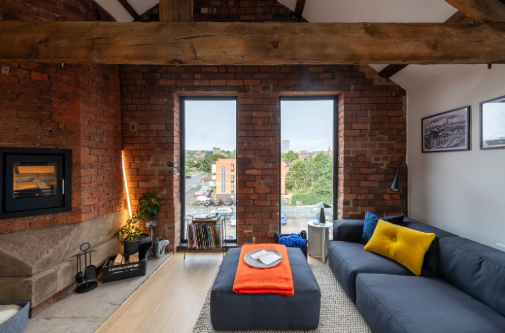
Sheffield’s industrial buildings may not be working manufacturing facilities anymore, but they still carry through the innovation and community that made the city stand out all those years ago. Enjoy the warmth of exposed brick, original timber beams, and concrete features throughout our Sheffield apartments. Settle into a place that’s full of character, not just another cookie-cutter place to rent, but a proper home.
Outside your front door, you’ll find lifestyle-focused amenities from a gym, resident lounge, and mini-cini, to must-visit indie food spots, lush green spaces, and dedicated co-working spaces. Whether you’re getting work done or hanging out with your mates, you’ll be soaking up the industrial heritage of Sheffield across every aspect of Eyewitness.
To find out more, talk to our team today.
Related Reads.

Why More Manchester Renters Are Moving To Stockport
.jpg)
Flats To Rent In Farnworth: What’s Actually Available?
How to Furnish a Build to Rent Apartment
The Story of Weir Mill: Stockport's Cotton Mill Reborn

Living In Stockport: An Honest Area Guide